What Every Homeowner Should Know About Hiring a General Contractor in Maui, HI

Hiring a general contractor involves more than comparing bids. Hawaii's building codes and Maui County's permit requirements shape every phase of construction in ways that differ significantly from the mainland. Understanding what triggers a permit and what structural standards apply to your property can protect your investment for years to come.
What Triggers a Building Permit?
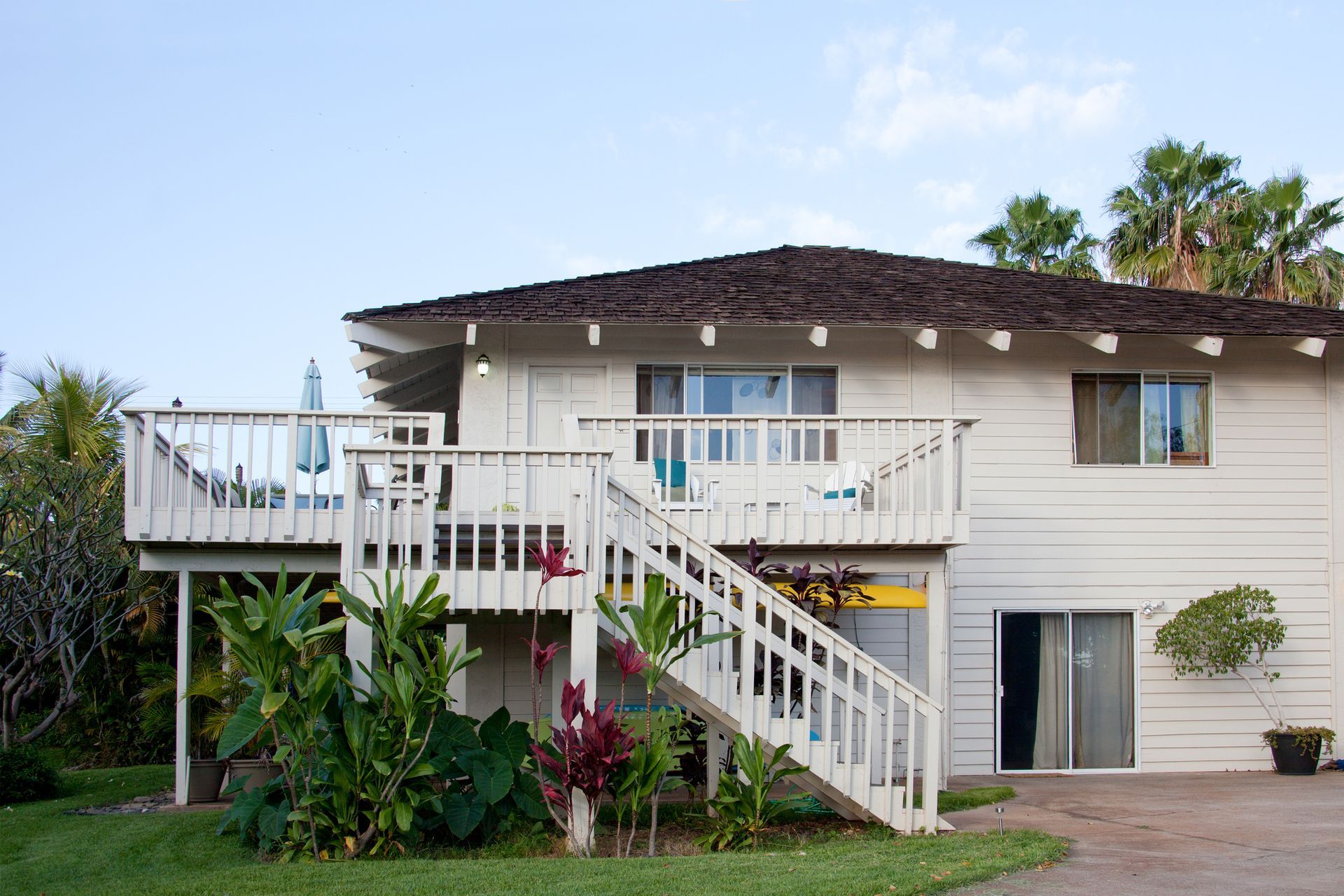
A building permit is generally required for the construction, alteration, moving, demolition, repair, or use of any building or structure in Maui County. This applies to structural work, electrical upgrades, plumbing reroutes, deck construction, and home additions.
Work that commonly triggers permit requirements includes new structural construction and additions, plumbing installations that alter water or waste systems, electrical changes such as panel upgrades and solar interconnects, and a Flood Development Permit for any construction in flood hazard areas under Maui County Code Chapter 16.29.
Unpermitted work can surface during a home sale, refinancing appraisal, or insurance claim, and lenders or insurers may require full remediation before proceeding. Permit compliance is a financial protection as much as a regulatory one.
How Hawaii's Building Standards Differ from the Mainland
Hawaii's geography makes its construction requirements meaningfully different from most mainland states. Wind design, flood zone rules, and coastal setbacks all apply in ways a contractor unfamiliar with island conditions may not anticipate.
- Hurricane Strap and Tie-Down Requirements: Hawaii building code requires a continuous load path using corrosion-resistant connectors, including stainless steel hurricane straps at roof-to-wall connections and anchor bolts at wall-to-foundation connections. Structures must withstand winds up to 160 mph, aligned with Category 5 hurricane specifications.
- Flood Zone Elevation Standards: Properties in FEMA-designated flood zones must meet Base Flood Elevation requirements. In V and Coastal A zones, the lowest structural framing member of any elevated first floor must generally sit at least 2 feet above the base flood elevation.
- The 50% Rule for Renovations: Renovations exceeding 50% of a structure's market value in a flood zone may require bringing the entire building into compliance with current flood regulations, which can significantly affect budgets on older properties.
- Coastal Setback Rules: Projects near the shoreline may fall within Maui County's Special Management Area, where development requires additional environmental review before permits can be issued.
- Corrosion-Resistant Materials: Hawaii's coastal marine environment requires Type 316 stainless steel hardware within roughly 3,000 feet of the high-water line, far exceeding typical mainland fastener standards.
These requirements reflect real weather and environmental risks Maui properties face, and they directly affect how local contractor services are planned and executed. Working with a general contractor who knows these codes reduces delays, avoids costly rework, and keeps your project on schedule from permit application through final inspection.
Ready to Start Your Project?
Tim Lloyd Construction provides general contractor services in Maui, HI, with deep knowledge of local building codes, permit processes, and Hawaii-specific structural requirements. Whether you are planning a home addition, a remodel, or a deck project near the coast, our team guides you through every step from permitting to final walk-through.
Reach our local general contractors at (808) 280-1118 to schedule your consultation. You can also explore Tim Lloyd Construction on Google to read reviews and learn more about our work across the island.